Posts

Showing posts with the label chicago medical office cleaning.

Know the importance of a clean and disinfected medical office. More information here!
Image
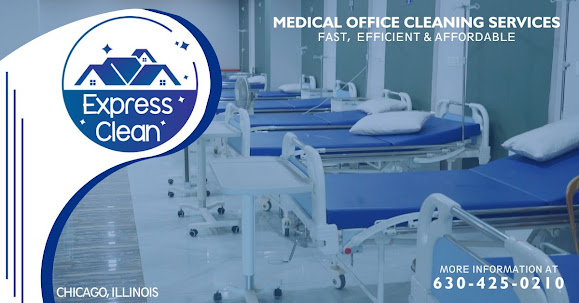
Cleanliness in medical environments plays a critical role in promoting the health and safety of patients, medical staff and visitors. A clean medical office not only provides an aesthetically pleasing appearance, but also has a significant impact on patient confidence, infection prevention and the reputation of the medical practice. Meticulous and regular cleaning of a medical office is essential to prevent the spread of germs and pathogens. Offices are places where vulnerable people come for medical care, and it is vital that they are kept free of bacteria, viruses and other harmful microorganisms. Proper disinfection of surfaces, medical equipment and common areas reduces the possibility of cross-infection and minimizes the risk of patient-to-patient transmission. In addition to health, medical cleanliness also influences the patient experience. A clean and tidy office creates a positive impression and provides peace of mind to those seeking medical care. Patients feel safer and more...

Ensure the health and safety of your patients with a professional hospital cleaning service. Find out how!

Image
It is well known that patient satisfaction is key to ensuring a good experience in hospitals and doctors' offices. But hygienic safety is also a fundamental factor for a proper environment. That's why we offer a professional cleaning service to meet the demanding needs of patients in all medical facilities. We are committed to ensuring safety and promoting quality of life. We have a highly trained cleaning team that is constantly informed about best practices and advances in medical technology and equipment. All of our team members use state-of-the-art cleaning equipment and disinfectants specifically designed for use in hospitals and medical offices. We use safe chemicals, recommended by national and international agencies for the elimination of pathogenic microorganisms. We are aware that hospital safety includes prevention, early detection and timely elimination of pathogenic microorganisms, as well as the proper installation of medical equipment. That's why we offer the...

Learn about the impact of germs, viruses and contamination that hospital waste can have!

Image
Hospital waste requires special and careful attention to avoid public health problems. At Cleaning Services Chicago we will tell you how hospital waste is classified to ensure the safety and health of everyone. Hospital waste is divided into three main categories. First, biological waste. These can include things like plant parts, tissues, body fluids, feathers, cannulas, urine and excrement. These wastes can contain harmful germs and viruses that can contribute to the spread of infectious diseases. Second, there is common waste. This includes things like cotton, gauze, liquid-impregnated gauze, soiled bandages, tissue contact, empty bottles and any other material that does not contain biological material. Contamination of common materials can still lead to infectious disease or infection, so it is important to ensure that this waste is treated properly. Finally, there is special waste. This includes any infectious toxic biological materials and any items that are considered hazardous...

Having trouble keeping your medical space clean?

Image
Having trouble keeping your medical space clean? Worry no more M edical office cleaning services chicago  is the solution to your problems, it takes care of regulatory compliance and your safety depends on it. So contact us at 630-425-0210.  Keeping spaces clean and performing with health and safety measures are key to preserving the immunity of the city's patients. Cleanliness in hospital settings helps reduce the risk of infection, which means better medical care for everyone. Also preventing the use of clinical equipment that does not meet proper standards can save lives. It is important for hospitals to be aware of the rules and measures stipulated by the Chicago Health Authority. These laws include, among other things, the use of equipment that meets established standards, proper storage of medications, hygienic practices, environmental hazards and identification of patients at risk of infection. These guidelines must be followed to the letter to ensure the health of staf...